
I am delighted to have been awarded and conferred the Master of Teaching (Secondary) in Visual Arts with Distinction.
For me, this achievement represents far more than another qualification. After more than two decades working across Higher Education, research and Visual Culture in Australia and China, becoming a secondary teacher has synthesised my professional life. Research, creativity, visual culture, education and pedagogy, with the opportunity to work alongside young people at formative stages of their lives, is a privilege.
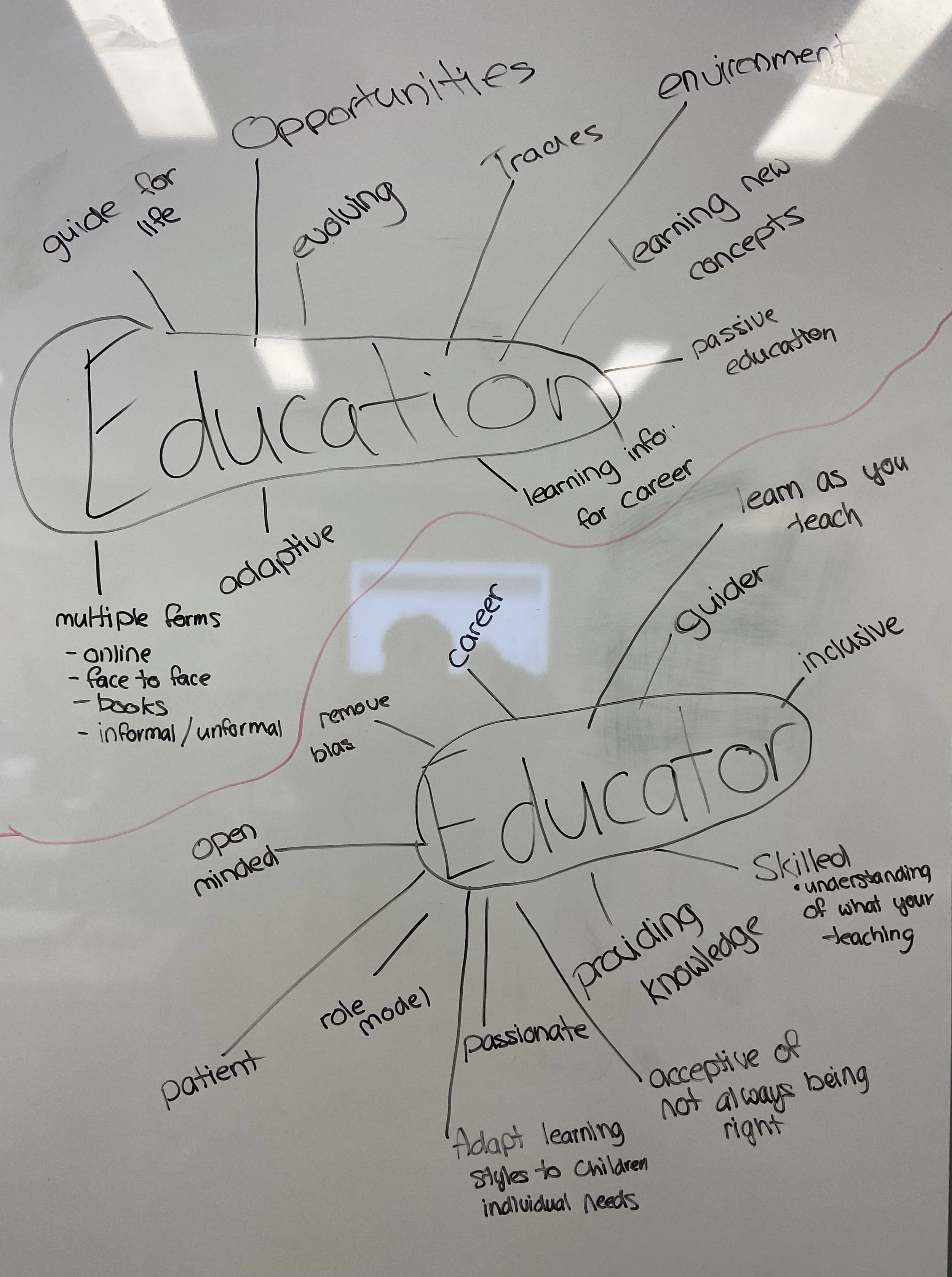
Teaching teenagers has given me a new perspective on the role education can play in shaping how young people understand themselves, their communities and the rapidly changing world around them. It has also reminded me that education is not simply about what we teach, but how – it’s about creating spaces where young people can question, create, connect ideas and develop confidence in their own voices.
As a career-changer into secondary education, I have found myself thinking deeply about what schools are, how they work, and — most importantly — how they might work differently. Despite decades of educational reform, many of the structures of education remain remarkably familiar. Subject silos, year-level groupings, fixed timetables and teacher-led instruction continue to shape the educational experience. Tyack and Cuban (2009) describe these enduring patterns as the grammar of schooling - the deeply embedded structures and expectations that influence what schooling looks and feels like.
My own transition and duality of university educator and researcher to secondary teacher make this tension particularly visible. Teachers are increasingly expected to be facilitators, mentors, designers and co-learners, supporting inclusive, personalised and digitally connected learning. Yet we often work within structures designed for a very different era in education. This experience has reinforced my belief that meaningful educational change must begin with teachers and students. It requires professional trust, collaboration, teacher agency and the courage to question practices simply because they have always been done that way.
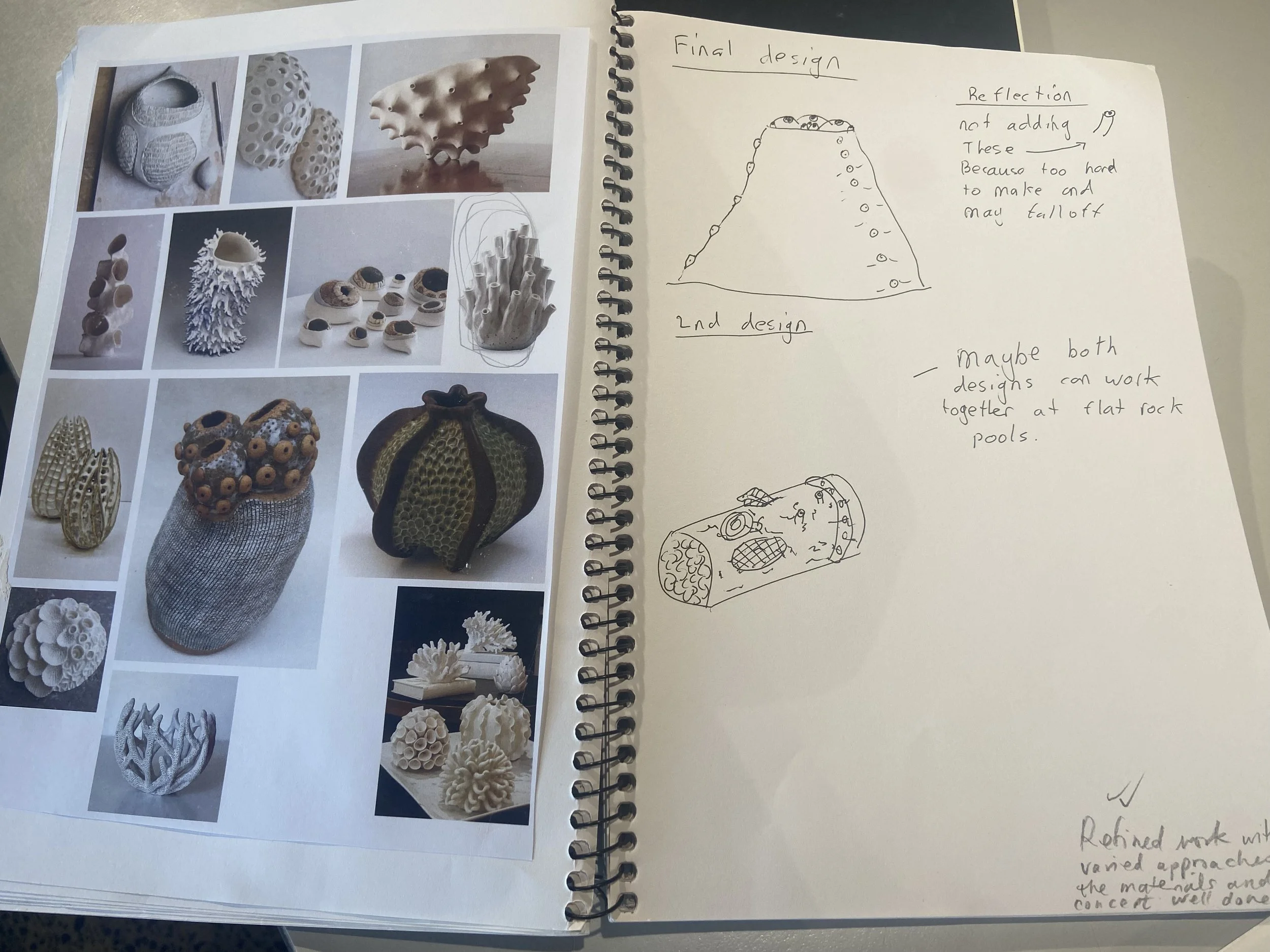
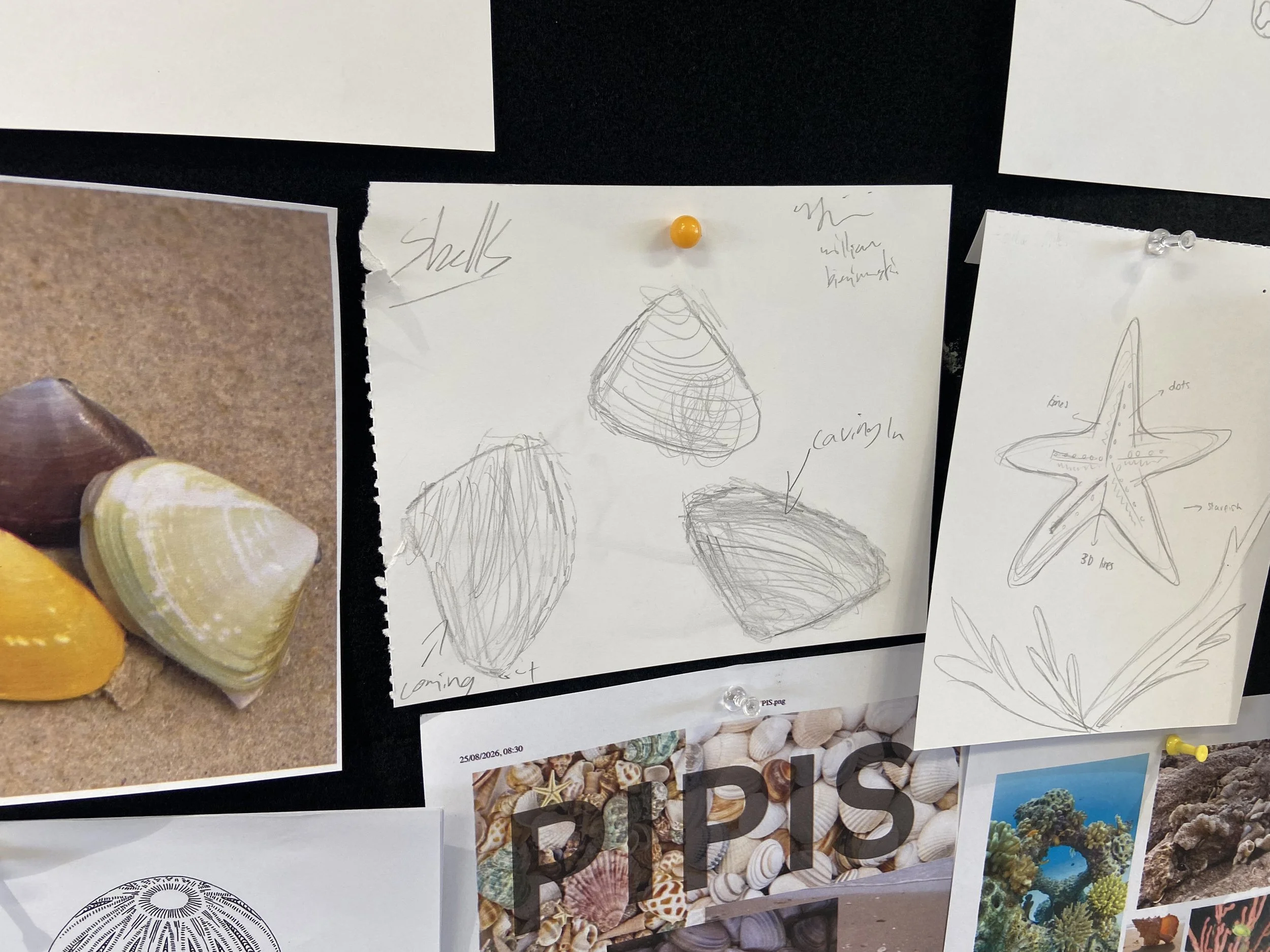
I’m particularly excited to continue exploring the intersections among Visual Culture, Education, and the Humanities and Social Sciences. Probing how visual literacy and critical thinking can help students make sense of an increasingly complex, digital and visually saturated world.
A new qualification, a new perspective, and… I hope for many more opportunities to contribute to education and the growth of our young minds.
hashtag#MasterOfTeaching hashtag#SecondaryEducation hashtag#VisualArts hashtag#VisualCulture hashtag#Education hashtag#TeacherEducation hashtag#HigherEducation hashtag#HSIE hashtag#EducationalChange hashtag#VisualLiteracy